Source Rose Gold Coaster Options for Hotels, Homes, and Gifts
Find 30 Rose Gold Coaster listings from Chinese manufacturers. Compare glass, ceramic, and crystal materials with varying shapes and eco-friendly features. Source these table accessories for hotels, homes, and business gifts.
Key considerations
Products List
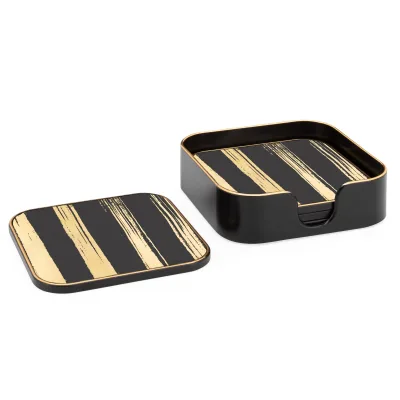
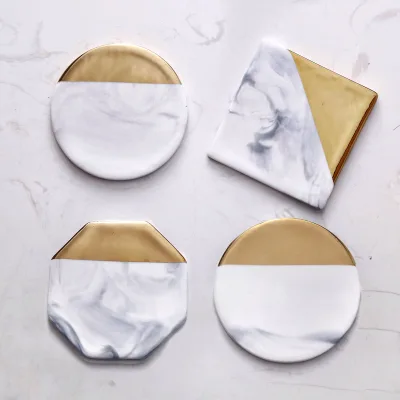
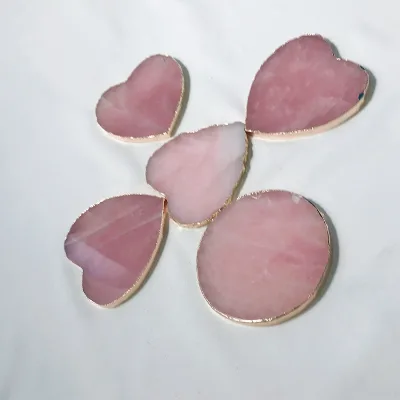
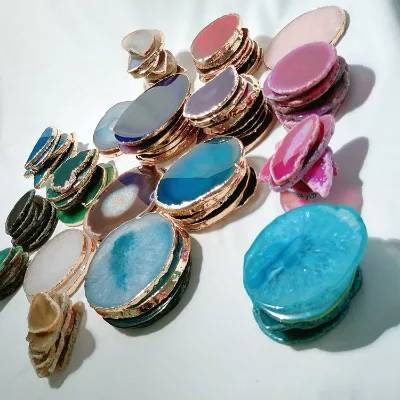
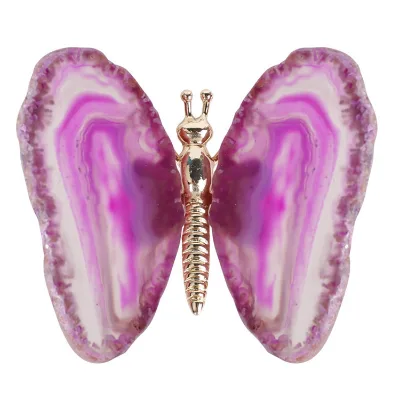



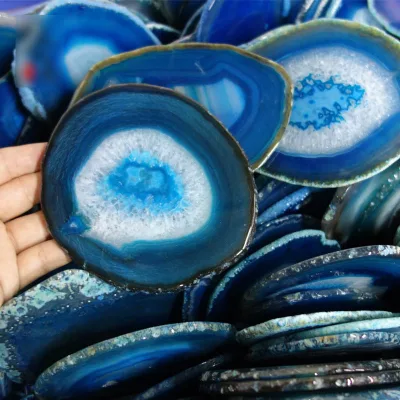
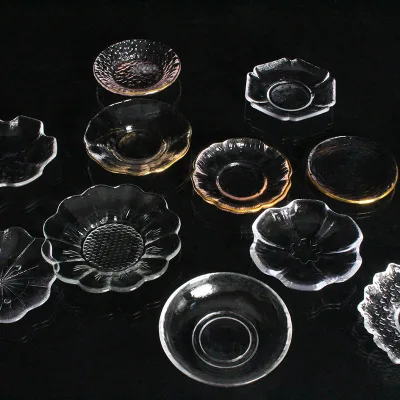

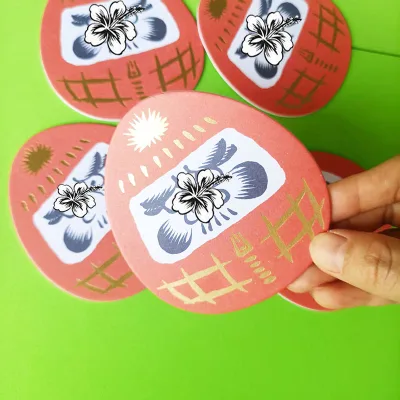

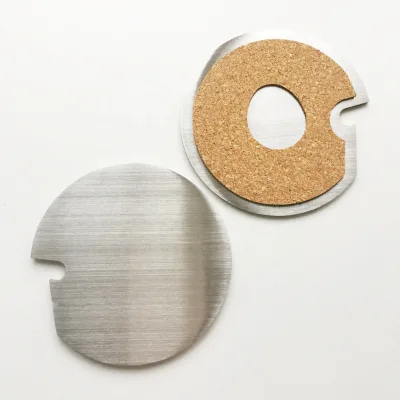
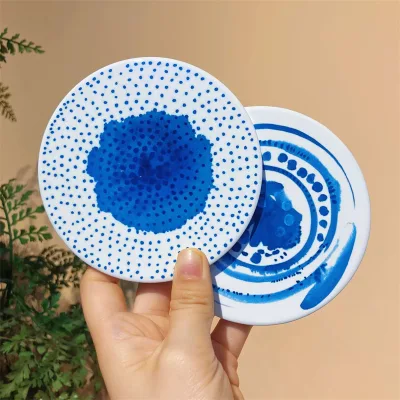
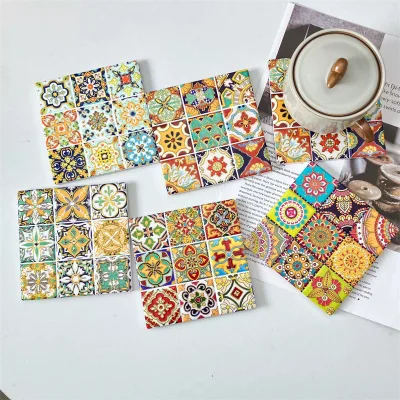
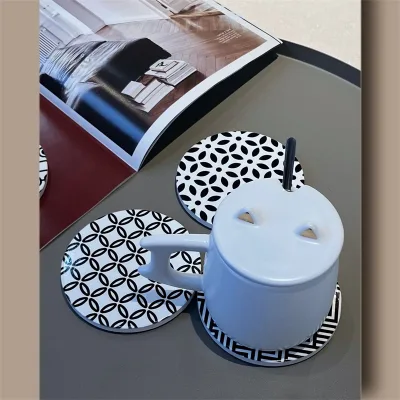
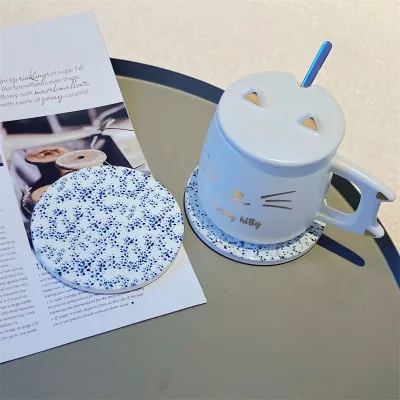
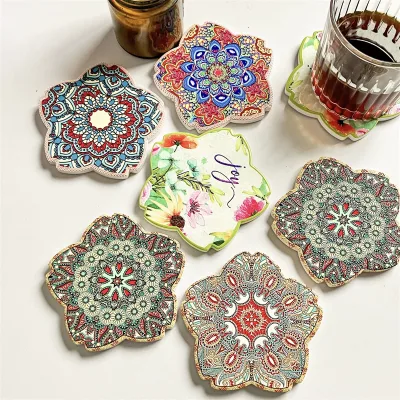
Round Absorbent Christmas Ceramic Coaster with Holder for Table Decoration
$0.49 - $0.63
MOQ: 100 Pieces
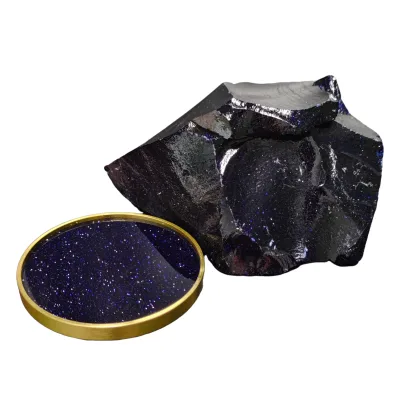
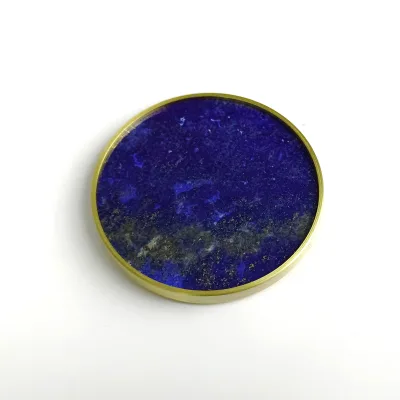
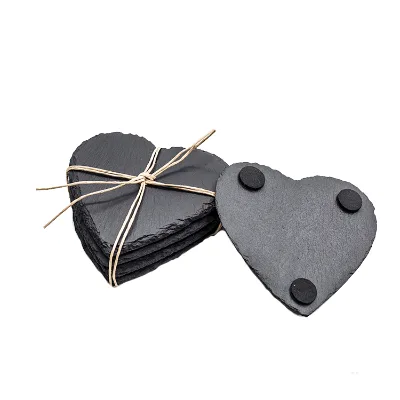
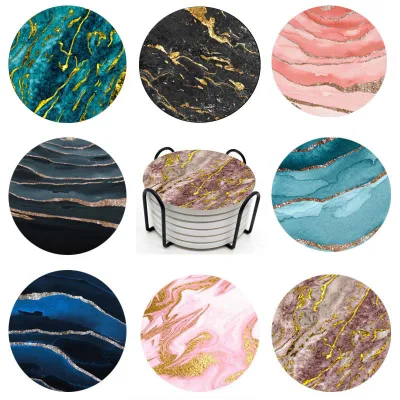




Comprehensive Sourcing Guide
Rose Gold Coaster Sourcing Guide
Sourcing rose gold coasters requires a clear distinction between the visual finish and the underlying substrate, as the market offers both glass and ceramic bases with metallic plating or printed accents. The observed product landscape includes items explicitly described as glass coasters with contemporary styling and others defined as ceramic marble mugs featuring gold printing, indicating that the "rose gold" aesthetic is often achieved through surface treatment rather than the base material itself. Buyers must verify whether the metallic appearance is a durable plating, a printed design, or a specific stone finish, as this distinction directly impacts durability and suitability for high-traffic commercial environments.
The procurement strategy should account for the variability in shape and size, ranging from round glass units with specific dimensions to square or octagonal ceramic options with irregular edges. While some listings highlight eco-friendly features and stocked availability, others emphasize custom OEM and ODM capabilities with sample times varying between three to seven days. This variation suggests that buyers should prioritize suppliers who can clearly articulate their production capacity and lead times, ensuring that the specific aesthetic requirements for rose gold finishes can be met without compromising on the structural integrity of the coaster.
Product Scope and Observed Listing Signals
The product scope for rose gold coasters encompasses a diverse range of applications, from home decor and hotel amenities to business gifts and restaurant table settings. Observed listings indicate that these items are frequently marketed as table decoration accessories, with specific mentions of usage in catering, canteens, and as promotional gifts. The presence of "Stocked" items alongside custom manufacturing options suggests a hybrid market where buyers can source immediate inventory for standard designs or commission bespoke pieces with specific branding and color variations like light grey or pink tones.
Listing signals reveal a strong emphasis on packaging and safety, with many suppliers detailing the use of styrofoam and safe packing methods to protect fragile glass or ceramic surfaces during transit. The observed single package sizes and gross weights provide critical data for logistics planning, as the fragility of glass coasters and the density of ceramic units necessitate robust shipping solutions. Buyers should scrutinize these packaging details to ensure that the supplier's methods align with the destination's handling requirements, particularly when shipping delicate items with metallic finishes that could be prone to scratching or chipping.
Technical Specifications to Verify
Verifying technical specifications is paramount when sourcing rose gold coasters, as the material composition and dimensions vary significantly between glass and ceramic options. Buyers must confirm the exact substrate, whether it is clear glass, ceramic, or a stone-based material like rose quartz, as this determines the coaster's weight, thermal properties, and resistance to moisture. The observed size ranges, from small 30mm units to larger 13x13x6 cm packages, require precise alignment with the intended drinkware, ensuring that the coaster provides adequate surface area to prevent water rings and condensation damage on tables.
The shape and finish specifications also demand rigorous verification, as the market offers round, square, octagonal, and irregular forms, each with distinct aesthetic and functional implications. For rose gold finishes, it is essential to confirm the printing or plating method, as some listings mention gold printing on ceramic surfaces while others imply a metallic coating on glass. Buyers should request detailed material certificates and finish samples to validate that the rose gold color is consistent across batches and that the finish will not peel or fade under normal use conditions in hotels or restaurants.
Compliance and Safety Documentation
Compliance and safety documentation for rose gold coasters must address both food contact safety and general product liability, particularly given the metallic finishes involved. While specific certification names are not universally listed in the provided data, buyers should insist on documentation proving that the materials and inks used for the rose gold finish are non-toxic and safe for incidental food contact. This is especially critical for ceramic and glass products that may come into direct contact with beverage condensation or food residues, requiring verification against relevant international food safety standards.
Safety documentation should also cover the structural integrity of the product, ensuring that the coasters meet durability standards for commercial use in high-volume settings like hotels and restaurants. Buyers need to verify that the packaging and shipping methods comply with international transport regulations, particularly for fragile items like glass coasters that require specific handling to prevent breakage. Requesting test reports on the adhesion of the metallic finish and the resistance of the base material to thermal shock will provide assurance that the product will perform reliably in real-world scenarios without posing a safety risk to end-users.
Cost Drivers and Commercial Terms
Cost drivers for rose gold coasters are heavily influenced by the material choice, the complexity of the metallic finish, and the order volume. Glass coasters with intricate rose gold plating or ceramic units with detailed gold printing typically command higher prices than standard plain options, reflecting the additional processing steps required to achieve the desired aesthetic. The observed MOQ ranges, which vary from 100 pieces for custom stone items to 300 pieces for other configurations, indicate that smaller orders may incur higher per-unit costs due to setup and production inefficiencies.
Commercial terms such as lead times and sample availability play a significant role in the total cost of ownership, with sample times ranging from three to seven days and production lead times extending up to 30 days. Buyers should negotiate clear terms regarding sample costs and lead times, as these factors can impact project timelines and inventory planning. Additionally, the supply ability of the manufacturer, often cited as 10,000 sets per month, should be evaluated against the buyer's volume requirements to ensure that the supplier can scale production without compromising quality or delivery schedules.
Supplier Qualification and Quality Control
Supplier qualification for rose gold coasters requires a thorough assessment of their manufacturing capabilities, particularly their experience with metallic finishes and fragile materials. Buyers should verify the supplier's location, as many observed listings originate from Fujian and Guangdong, China, regions known for glass and ceramic production, but this also necessitates a check on their export experience and quality control protocols. The presence of OEM and ODM capabilities suggests that the supplier can accommodate custom designs, but buyers must ensure that their quality control processes are robust enough to maintain consistency across large production runs.
Quality control measures should include rigorous inspection of the rose gold finish for uniformity, adhesion, and resistance to wear, as well as checks for structural defects in the glass or ceramic base. Buyers should implement a pre-shipment inspection protocol that verifies the packaging integrity, ensuring that styrofoam and other protective materials are used correctly to prevent damage during transit. Establishing a clear communication channel for defect reporting and resolution is essential, as the delicate nature of these products makes them susceptible to damage if handled improperly at any stage of the supply chain.
Long-Term Procurement Checks
Long-term procurement checks for rose gold coasters should focus on the consistency of the metallic finish and the durability of the product over time. Buyers need to monitor the performance of the rose gold coating in various environments, such as high-humidity hotel rooms or busy restaurant settings, to ensure that the finish does not tarnish or peel after repeated use and cleaning. Regular quality audits and feedback loops with the supplier are necessary to address any emerging issues and to maintain the high standards expected for commercial tableware.
Sustainability and supply chain resilience are also critical long-term considerations, as buyers increasingly demand eco-friendly products and reliable sourcing partners. The observed "Eco-Friendly" attribute in some listings indicates a market trend toward sustainable materials and processes, which buyers should leverage to align with corporate social responsibility goals. Establishing a long-term partnership with a supplier who demonstrates a commitment to quality, compliance, and environmental stewardship will ensure a stable supply of rose gold coasters that meet both functional and aesthetic requirements for years to come.
FAQs
What materials are used for rose gold coasters?
Rose gold coasters are commonly crafted from glass, ceramic, or natural stone such as rose quartz. Glass options offer a contemporary look with eco-friendly features, while ceramic versions may feature gold printing for a modern aesthetic. Natural stone coasters provide a unique irregular shape and are often used as business gifts or home decor items.
Can I customize the shape of rose gold coasters?
Yes, manufacturers offer various shapes including round, square, octagon, and irregular forms. For instance, ceramic coasters are available in square, round, or octagon designs, while glass coasters typically feature a round shape. Some natural stone options come in irregular shapes, allowing buyers to select the style that best fits their specific table decoration needs or brand identity.
What is the typical MOQ for rose gold coasters?
The minimum order quantity varies by material and supplier. Glass coasters often have an MOQ of 300 pieces, while ceramic options may require 100 pieces per design. Some suppliers accept orders as low as 2 pieces, whereas others may require up to 10,000 pieces. Buyers should check specific product listings to confirm the exact MOQ requirements for their desired quantity and customization level.
How long does it take to produce rose gold coasters?
Sample production typically takes 3 to 7 days depending on the material and complexity. For example, glass coasters may require 5 to 7 days for samples, while ceramic options can be ready in 3 to 5 days. Bulk production lead times generally range from 15 to 30 days. Buyers should plan their orders accordingly to ensure timely delivery for events or inventory restocking.
Where are rose gold coasters manufactured?
Rose gold coasters are primarily manufactured in China, with key production hubs in Fujian and Guangdong provinces. Fujian is known for glass coaster production, while Guangdong is a major center for ceramic and stone-based coaster manufacturing. These regions offer established supply chains and competitive pricing, making them reliable sources for bulk procurement of table accessories and home decor items.
What packaging options are available for rose gold coasters?
Suppliers typically use safe packing methods to protect the products during transit. Common packaging includes styrofoam inserts to prevent breakage, especially for glass and ceramic items. Single package sizes vary, with some coasters packed in boxes measuring 12x12x5 cm or 13x13x6 cm. Buyers should request specific packaging details to ensure the products arrive in perfect condition, particularly for fragile materials like glass or stone.